A Mediterranean cardoon
The cultivated artichoke belongs to the *Cynara cardunculus* complex and is related to the Mediterranean wild cardoon. The production specifications for the *Romanesco del Lazio* variety use the name *Cynara scolymus* L.

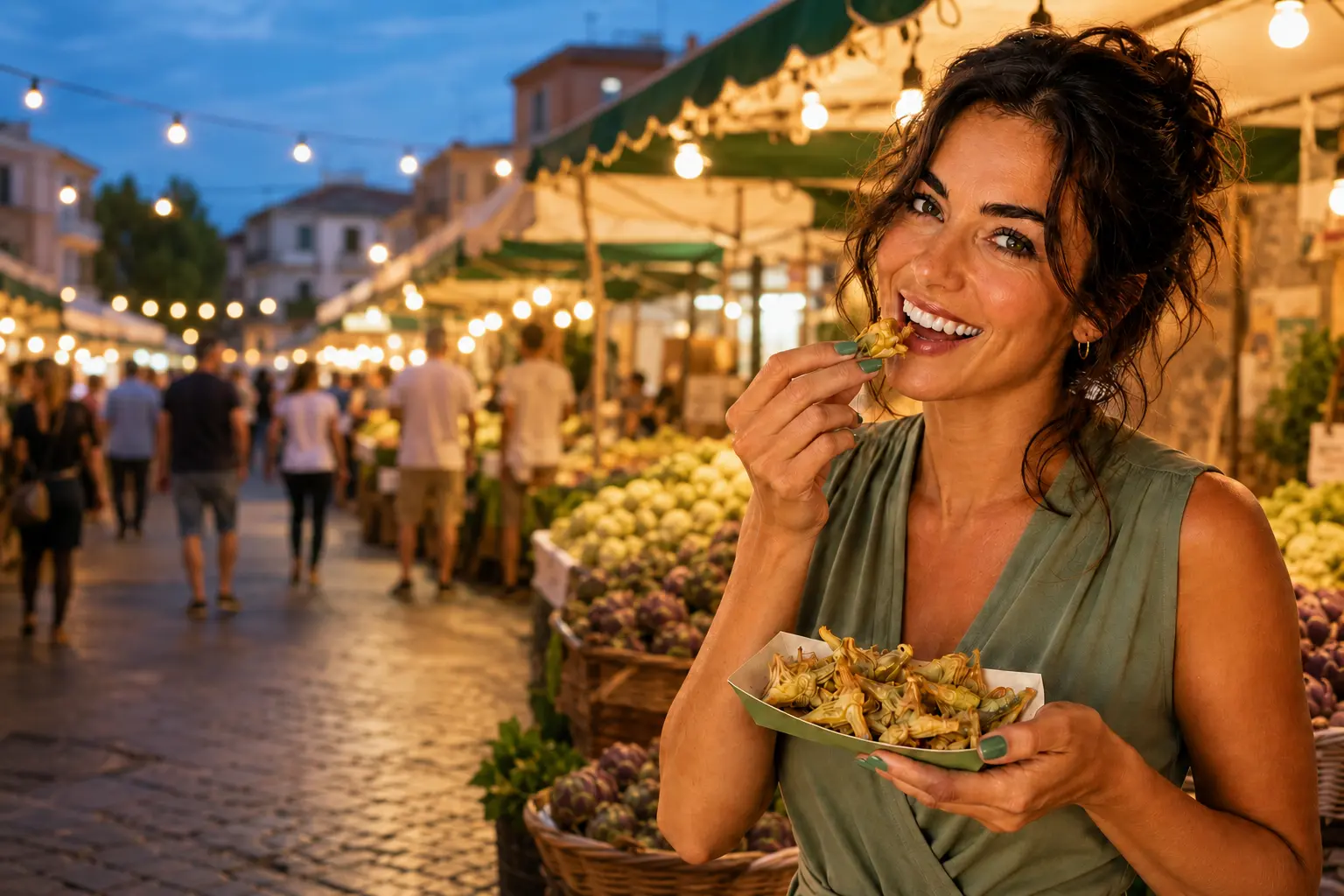
THE GREAT SPRING FESTIVAL · SINCE 1950
A FESTIVAL THAT BECOMES AN IDENTITY
In 1950, Ladispoli was looking for a way to gain recognition and look beyond mere beach tourism. The newly founded *Pro Loco* saw the artichoke—widely grown in the local countryside at the time—as the basis for a simple yet powerful story.
The festival transformed that harvest into a public gathering: fresh produce, cuisine, commerce, entertainment, and civic life all in the same space. It is this alliance—more than the mere trade-fair aspect—that explains why the *Sagra* (festival) has become a defining symbol of local identity.
FOUR DATES, ONE TRANSFORMATION
The first documented edition took place on April 2nd. Local agricultural produce became the key to introducing Ladispoli to a wider audience.
The name "Carciofo Romanesco del Lazio" is registered as a Protected Geographical Indication (PGI) within the European Union.
The event has been awarded the UNPLI seal, reserved for festivals with a verifiable link to the local area, its products, and the community.
The last documented edition took place from April 10 to 12. The next date will be announced in *Vivi Ladispoli*.
THE PRODUCT AND THE TERRITORY
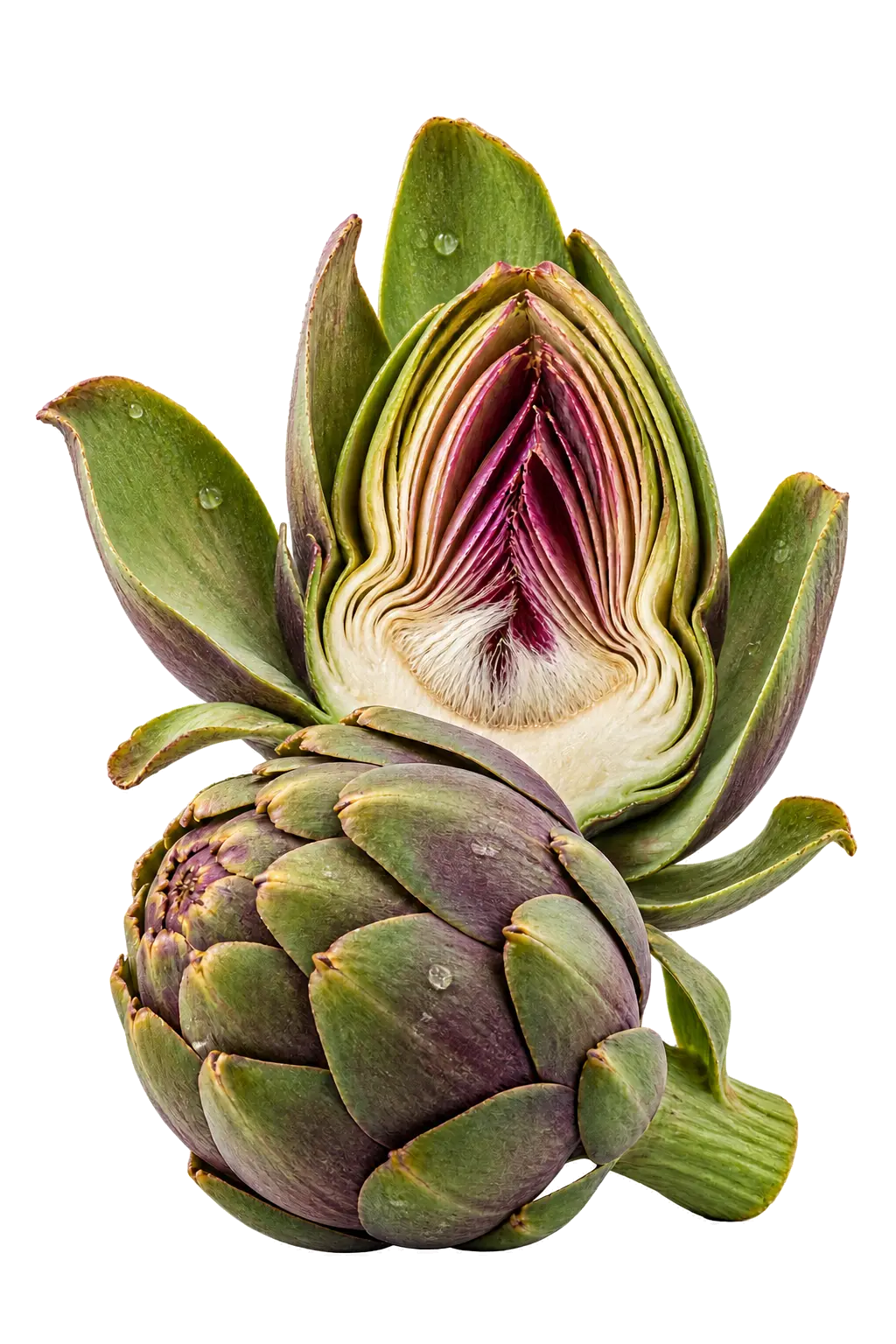
TECHNICAL SHEET · INSIDE THE ARTICHOKE
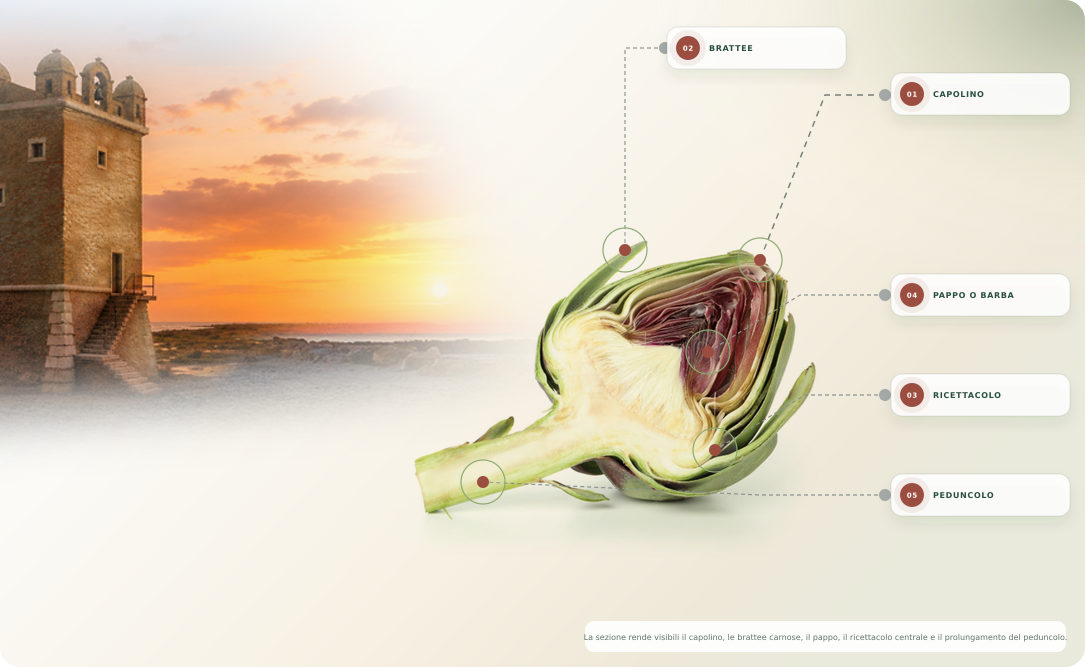
It is the still-closed flower cluster harvested before blooming: not a fruit, but a compact grouping of tiny future flowers.
The so-called “leaves” are actually bracts of the involucre. They protect the flower head and, when tender, feature an edible, fleshy base.
It is the fleshy base upon which the flowers are set. In the kitchen, this is the part we call the heart.
The “hay” in the center appears before flowering. Once developed, it is removed to reach the receptacle.
It is the stalk of the flower head. Once the fibrous outer layer is removed, the tender heart can be used in broths, purées, and fillings.
FROM THE MEDITERRANEAN TO LADISPOLI
The cultivated artichoke belongs to the *Cynara cardunculus* complex and is related to the Mediterranean wild cardoon. The production specifications for the *Romanesco del Lazio* variety use the name *Cynara scolymus* L.
The scientific reconstruction is not definitive: studies cautiously date the domestication to the Roman era, possibly in Sicily.
This same research attributes a significant role to early medieval Arab trade routes in the spread of this crop across the Mediterranean.
In the post-war period, cultivation became established in the Rome area and along the coast. In Ladispoli, the harvest became a festival in 1950 that served to tell the story of the town.
PROPERTY · WITHOUT MYTHS
It is one of the most recognizable components of the edible part and contributes to the daily fiber intake in a varied diet.
The raw artichoke head provides folate and potassium; actual quantities and portion sizes change after cleaning and cooking.
It is present in the raw product, but heat, water, and storage can reduce the available amount.
Leaves and flower heads contain polyphenols that have been studied in the laboratory; their presence alone does not equate to a clinical effect.
The EMA monograph concerns medicinal preparations obtained from leaf and their traditional use for certain digestive ailments. This should not be automatically applied to the artichoke when consumed as food.
FROM FESTIVAL TO TABLE
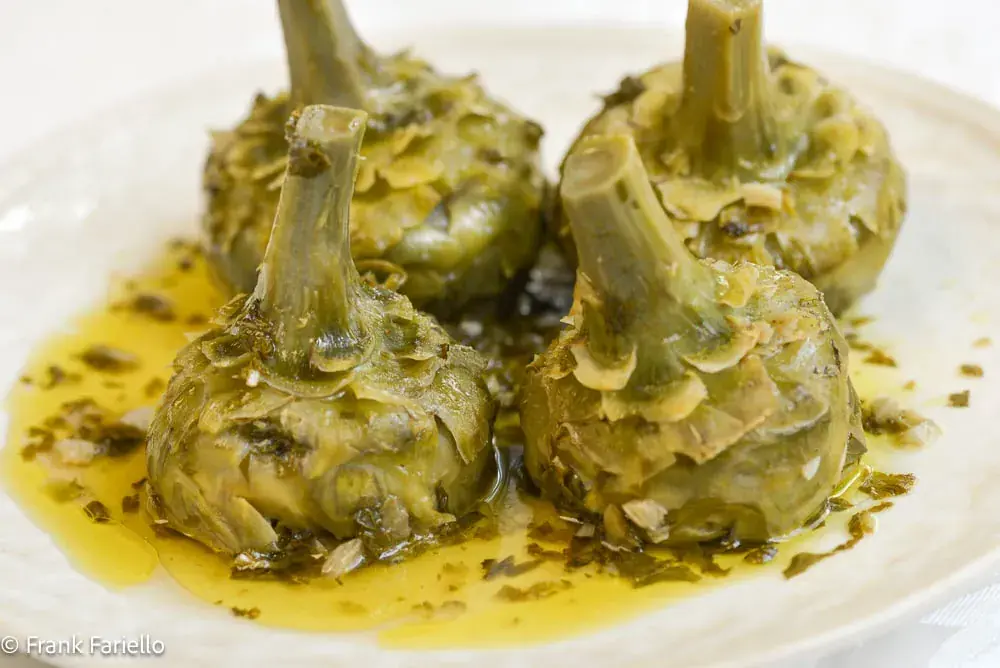
The artichoke heads are cleaned and gently opened, stuffed with calamint, parsley, and garlic, then slow-cooked upside down with oil and a little water until tender.
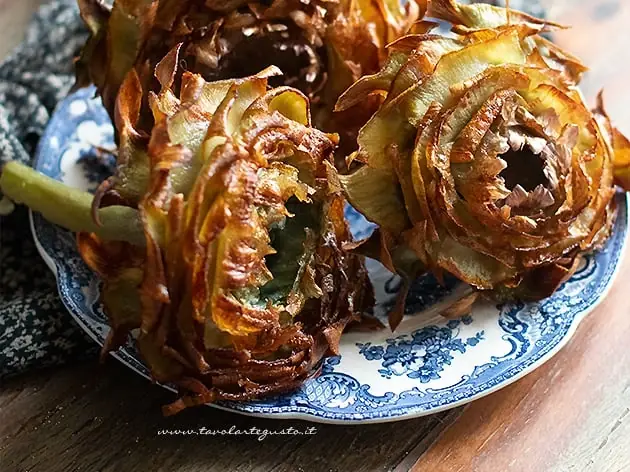
The artichoke is opened up like a flower and fried in two stages: the first softens the heart, while the second makes the bracts thin, golden, and crisp.
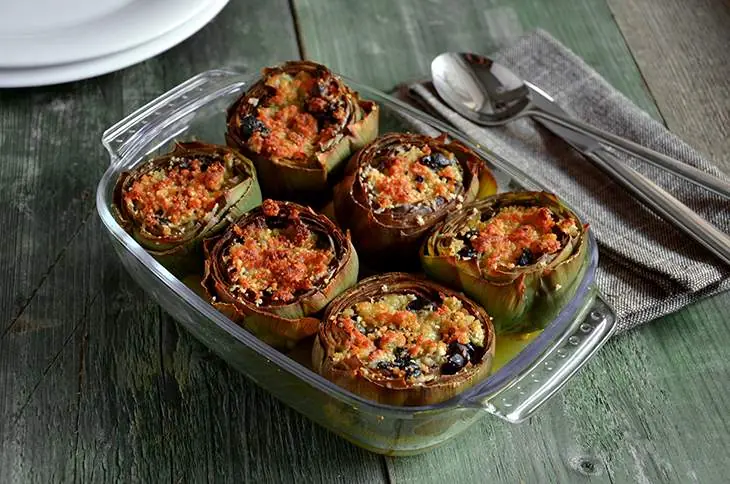
Carefully hollowed out, they hold a flavorful filling of breadcrumbs, aromatic herbs, and Pecorino cheese. Baking gratins the surface while keeping the center soft.
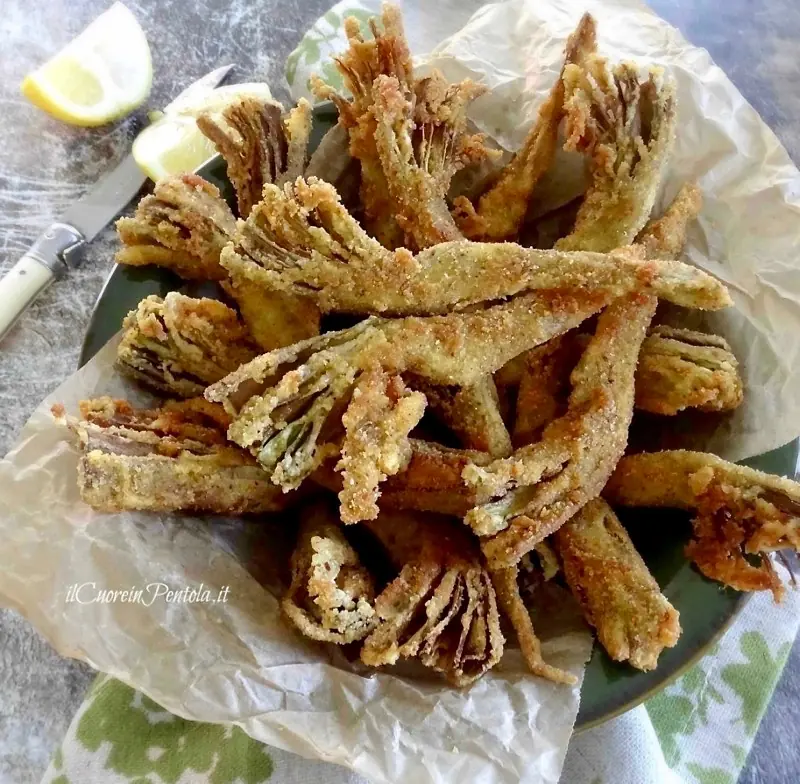
Small, thoroughly dried wedges lightly dusted with flour are dropped into hot oil. They are served immediately—light-colored and crispy—with salt and lemon added only at the very end.
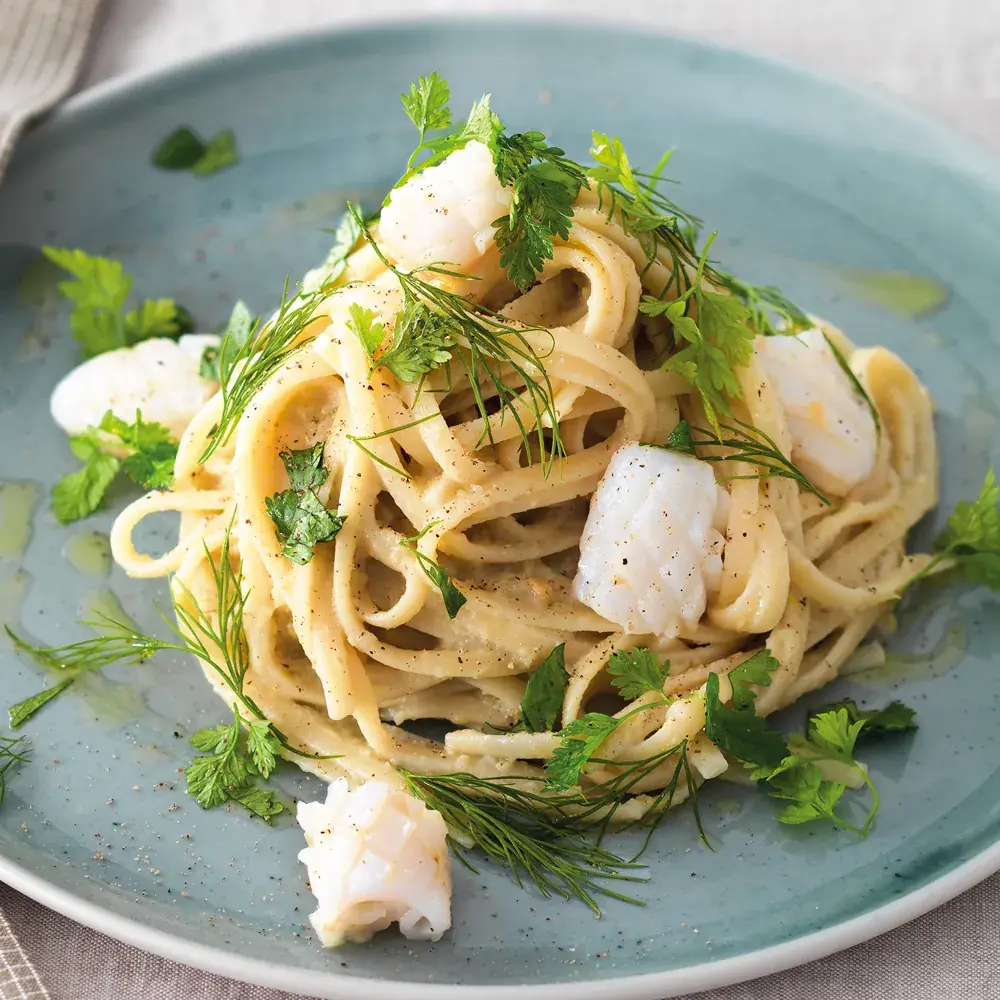
The blended hearts become a velvety cream used to finish the linguine; the quickly seared squid add a taste of the sea and texture.
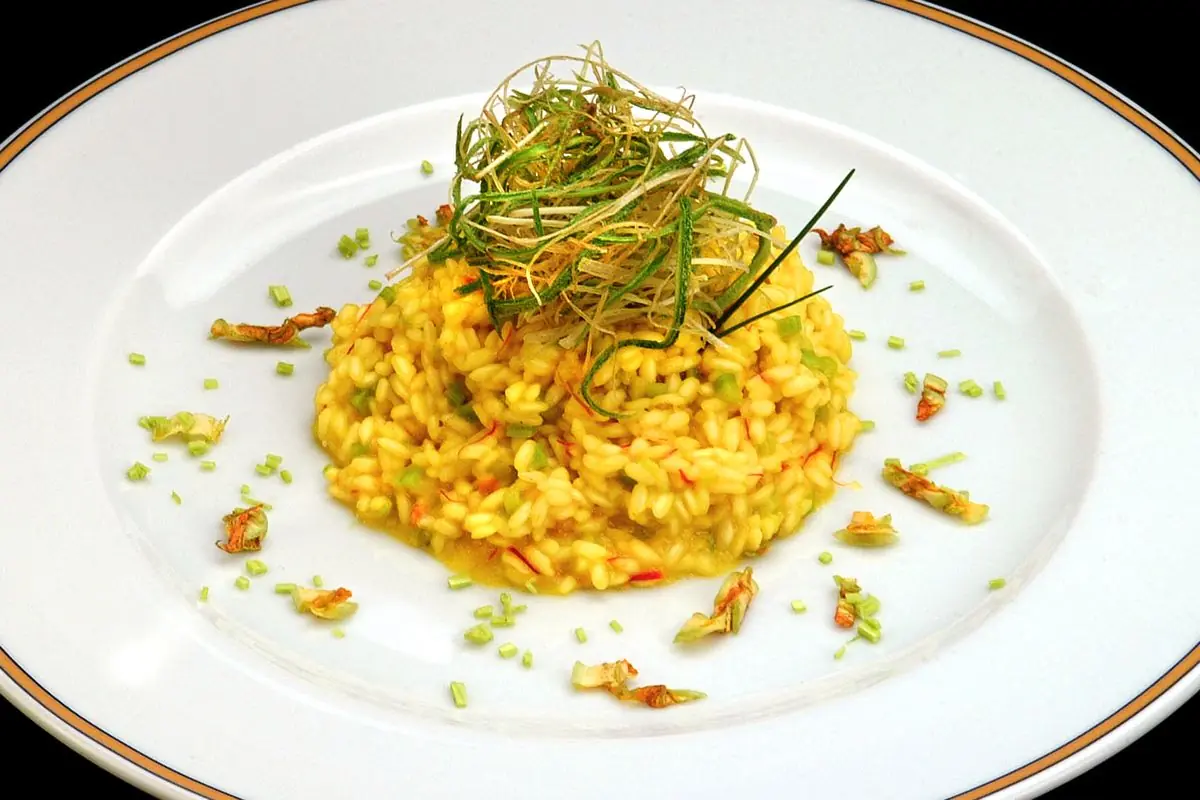
The toasted rice cooks with hot broth and tender artichokes; saffron is added towards the end, followed by a creamy, aromatic finishing stir.
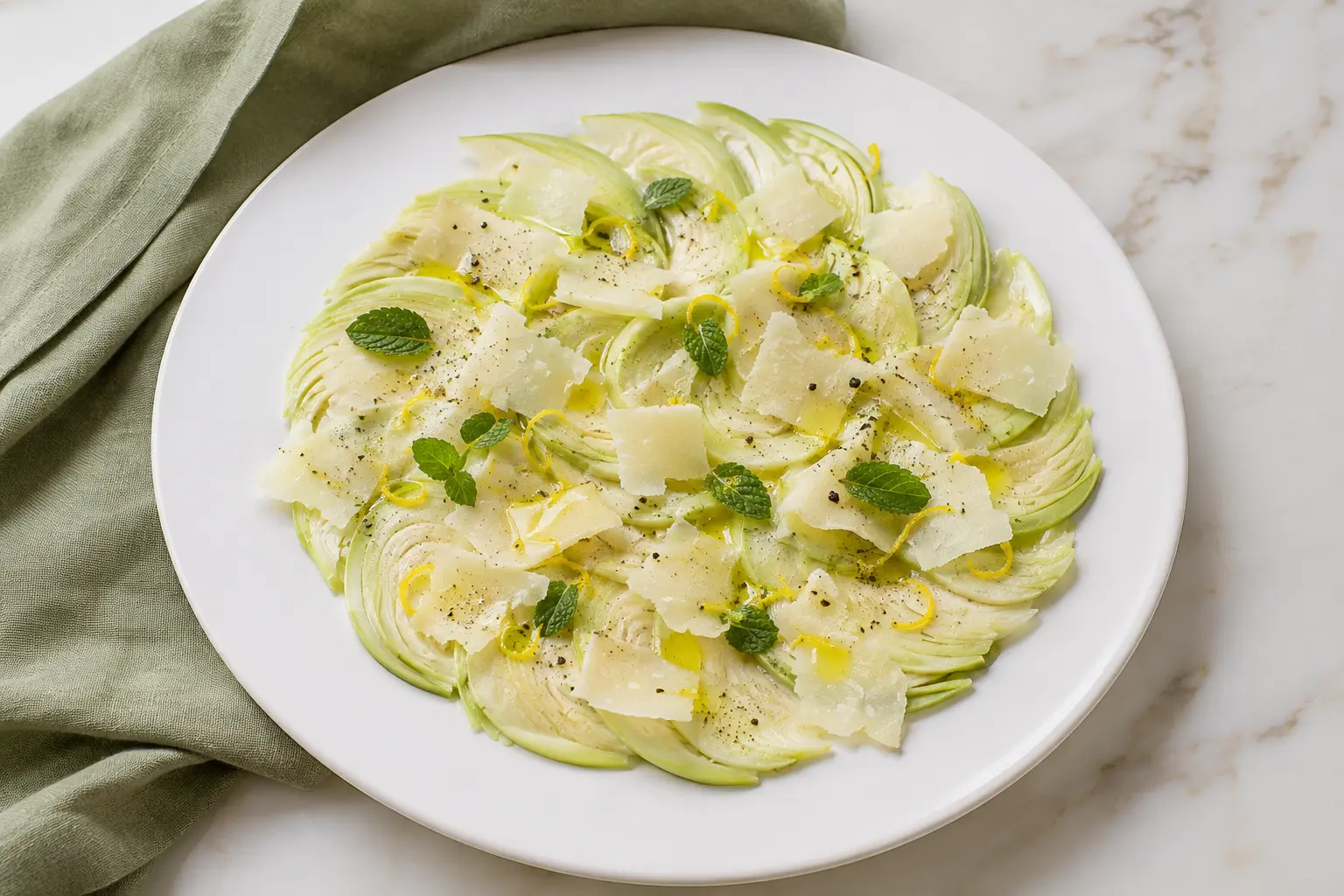
The youngest artichoke heads are sliced paper-thin and dressed with lemon, oil, and pepper. Pecorino cheese and calamint complete a fresh, crisp, and aromatic dish.
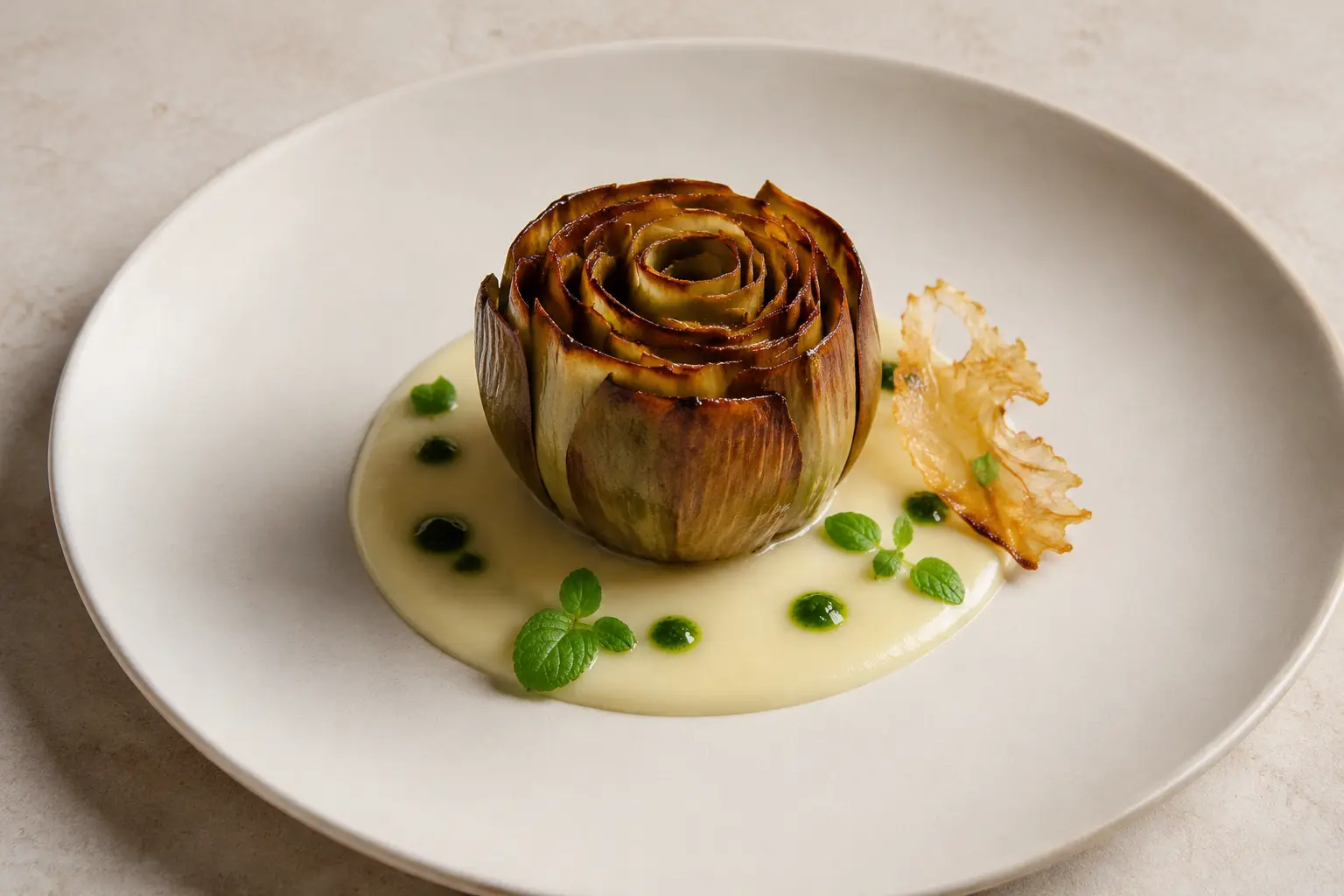
The roasted heart rests on a light Pecorino fondue, accompanied by a cream made from the stem and mint-infused oil—a gourmet interpretation that preserves the product's true identity.
EXPERIENCING THE FESTIVAL
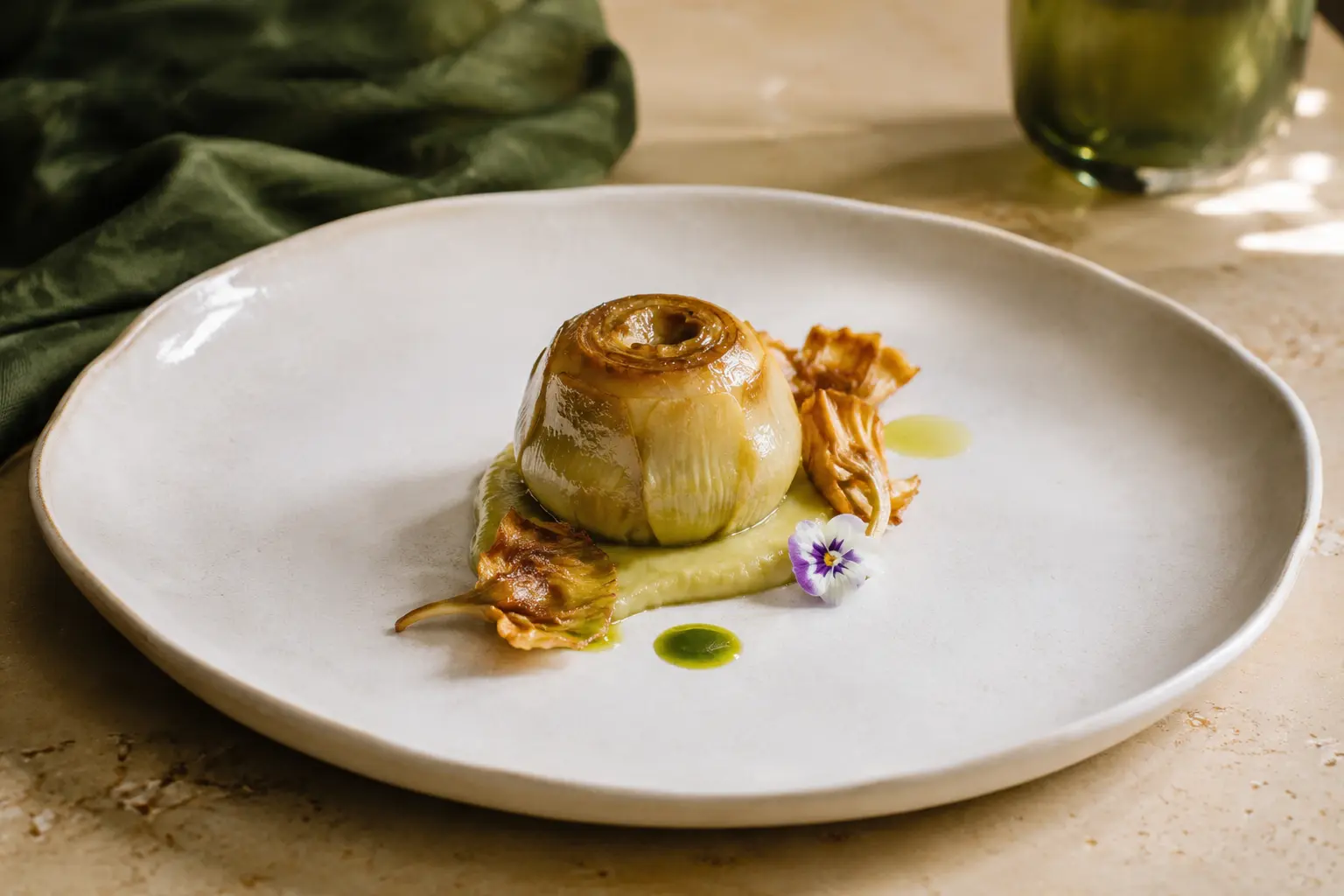
The agricultural heart of the site lies in the presence of Romanesco artichokes and their growers. Displayed signage and the official program serve as the authoritative sources for verifying origin and certification.
Fried—whether Roman-style, Jewish-style, or a modern reinterpretation—the displayed information and conversations with the cooks help you learn about the product's origin and preparation.
The arrangements created by farmers transform the harvest into a public image and are one of the most recognizable features of recent editions.
The Festival can serve as a starting point for visits to Torre Flavia, Palo, the seaside, and historical trails: the gateway connects the event to the surrounding area that makes it possible.
BEFORE LEAVING
LADISPOLI.IT EDITORIAL DOSSIER
Nel dopoguerra la città cerca un segno capace di raccontarla oltre il mare estivo. Il 2 aprile 1950 il carciofo entra nello spazio pubblico e diventa prodotto, invito e dichiarazione d’identità.
Open the document 022002 · EUROPALa registrazione europea tutela il Carciofo Romanesco del Lazio come Indicazione Geografica Protetta. È un patrimonio regionale al quale Ladispoli ha dato una voce popolare inconfondibile.
Open the document 03TERRITORIO · IGPForma, colore, raccolta manuale e calendario produttivo legano il Romanesco alla sua area di origine. Dietro ogni capolino c’è il lavoro stagionale di un territorio intero.
Open the document 04MEDITERRANEO · STORIAIl carciofo coltivato conserva la memoria del cardo selvatico mediterraneo. Selezioni, scambi e rotte hanno trasformato una pianta tenace in un ortaggio raffinato.
Open the document 05ANATOMIA · CUCINALe brattee proteggono, il ricettacolo diventa il cuore, il pappo annuncia la futura fioritura e il peduncolo prolunga il capolino.
Open the document 06PROPRIETÀ · MISURAFibra, folati, potassio e vitamina C fanno parte del suo profilo alimentare. Raccontarlo bene significa evitare promesse miracolose e distinguere il cibo dai preparati medicinali.
Open the document 07CITTÀ · RITOBancarelle, produttori, fritture, sculture vegetali e spettacoli trasformano il centro in un racconto collettivo. Il prodotto viene condiviso, cucinato e celebrato.
Open the document 08MEMORIA · FUTUROEdizione dopo edizione mutano programmi, ospiti e linguaggi, ma il centro resta lo stesso: il rapporto tra Ladispoli e il suo carciofo.
Open the documentOriginal Ladispoli.it content. Each document remains within the portal and lists at the end the public sources used to verify dates, names and official recognitions.